Ittangur Rental Yield vs Price Appreciation

Featured Image of Ittangur Rental Yield vs Price Appreciation


Ittangur rental yield measures the rent a home earns against its purchase cost. Price appreciation measures how much its value rises over time. For example, a home bought for ₹60 lakh and rented for ₹20,000 a month earns a 4% gross rental yield. If its value later rises to ₹72 lakh, the price gain is 20%. The rent is income received during ownership, while the price gain is realised when the property is sold.

Local listings reviewed for this guide show 2 BHK asking rents of ₹18,000–₹20,000 at Sowparnika Tharangini, with some listings charging maintenance separately. Sale listings in the same society include asking prices of ₹55 lakh and ₹56 lakh for homes around 925–949 sq. ft. These are different flats, not a matched sale-and-rent transaction. They provide a local reference, but they do not establish one rental yield or price-growth rate for all of Ittangur.

Rental Yield and Price Appreciation: What Is the Difference?


Rental yield shows how much income a property produces each year. It helps buyers compare a home’s cost with the rent it can earn. A ready flat with a tenant can provide regular income, though vacant months and repairs reduce the return. An under-construction apartment cannot earn rent before it is ready for occupation.

Price appreciation is the change in the property’s value. A buyer may pay ₹60 lakh and later find a purchaser willing to pay ₹72 lakh. That is a ₹12 lakh increase before buying and selling costs. A higher advertised price alone does not prove that the home can sell for that amount.

Point of comparison Rental yield Price appreciation
What it measures Annual rent against property cost Change in property value
When money is received During the rental period When the property is sold
Main evidence Rent actually agreed with a tenant Price agreed in a sale
Main costs Vacancy, repairs and owner-paid charges Buying costs, selling costs and taxes
New-launch position Rent starts after the home is ready Value may change during construction

How to Calculate Rental Yield in Ittangur


The basic calculation is annual rent divided by property cost, multiplied by 100. A monthly rent of ₹20,000 gives annual rent of ₹2.4 lakh. On a purchase price of ₹60 lakh, that produces a gross yield of 4%. The result changes if the final purchase cost is higher.

Suppose registration, interiors and other buying costs bring the total investment to ₹65 lakh. The same ₹2.4 lakh annual rent then gives a gross yield of about 3.69%. Using the full cost gives a clearer picture of the money invested. The refundable tenant deposit should not be counted as rental income.

How Purchase Price Changes the Yield


The following examples use the same rent to show why the entry price matters. They are calculations, rather than forecasts for a particular apartment.

Total property cost Monthly rent Annual rent Gross yield
₹60 lakh ₹20,000 ₹2.4 lakh 4.00%
₹80 lakh ₹20,000 ₹2.4 lakh 3.00%
₹1 crore ₹20,000 ₹2.4 lakh 2.40%

A higher purchase price needs a higher rent to preserve the same yield. A ₹1 crore home, for example, needs about ₹33,333 a month to produce a 4% gross yield. Whether tenants will pay that rent depends on the specific home and society. It cannot be assumed from the purchase price.

Gross Yield vs Net Rental Yield


Gross yield does not deduct the costs of letting the home. Net yield accounts for vacant periods and expenses paid by the owner. The lease terms matter because maintenance may be paid by the tenant, included in rent or shared. Only the costs borne by the owner should be deducted.

Consider a home with a ₹65 lakh total cost and rent of ₹20,000 a month. If it stays vacant for one month, rent received falls to ₹2.2 lakh. If owner-paid costs total another ₹20,000, the income left is ₹2 lakh. The net rental yield is then about 3.08%, before income tax and loan costs.

This example shows why the rent quoted in an advert is only the starting point. A flat that finds a tenant quickly may perform better than one with a higher asking rent and long vacant periods. Consistent occupancy matters to the yearly return.

How to Measure Price Appreciation in Ittangur


Price appreciation should be measured between two clear dates. If a home rises from ₹60 lakh to ₹72 lakh over five years, its total price gain is 20%. The annual compounded growth rate is about 3.7%. A 20% gain over five years is not the same as 20% growth each year.

Buying and selling costs reduce the gain kept by the owner. If the total acquisition cost was ₹65 lakh, a sale at ₹72 lakh leaves a ₹7 lakh difference before selling expenses and taxes. Renovation costs may reduce it further. This is why the original base price and the full investment cost should be kept separate.

There is no single verified appreciation rate that applies to every Ittangur home. A new tower, an older apartment and a villa can move differently in price. Compare recent sales of similar homes in the same society where possible. Portal trends can help track asking prices, but they are not a substitute for completed sales.

What Affects Rental Demand in Ittangur?


Tenants compare the rent with the home’s size, condition and daily travel route. Water supply, lifts, parking and power backup also affect the choice. A furnished home may attract a different budget from a basic unfurnished flat. The extra furnishing cost should be included when judging its return.

Ittangur offers access by road towards Sarjapura, Dommasandra and the wider Sarjapur Road work belt. That gives it a pool of potential tenants, but each household has a different office and school route. A home suited to an RGA Tech Park employee may be less convenient for someone travelling daily to Kadubeesanahalli. The exact location helps determine demand.

What Could Support Property Price Growth?


Better approach roads, reliable services and a well-run society can make a home more attractive to future buyers. Usable facilities and good upkeep also matter as a building ages. These are changes a buyer can see and assess. They can support resale demand without guaranteeing a particular gain.

The proposed Sarjapur–Hebbal Metro and the Bengaluru Business Corridor are larger developments to track. Their value to Ittangur will depend on approvals, progress and actual access. A project shown on a future map does not establish today’s resale premium. Current road access remains part of the buying decision.

Ready Apartments or New Launches for Investment?


A ready apartment allows the buyer to inspect the home and compare rents in the same society. Rental income can begin after purchase, preparation and tenant move-in. The building’s maintenance record also gives useful evidence of running costs. Repairs or older fittings may add to the initial expense.

A new launch has a different cash-flow pattern. Payments may begin years before rent is possible, so the buyer needs to fund that period. Any future rent or resale value remains an estimate. The comparison should include the waiting period, payment plan and total cost—not just the expected possession value.

A New Residential Project in Ittangur for Long-Term Buyers


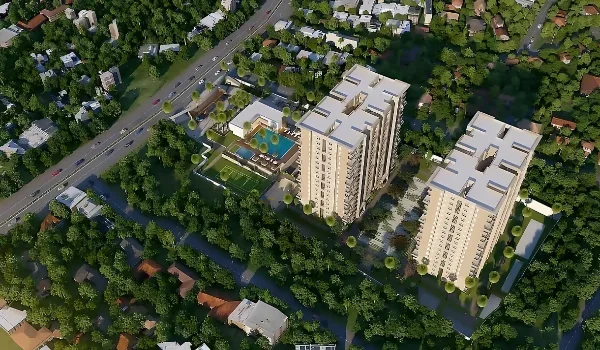
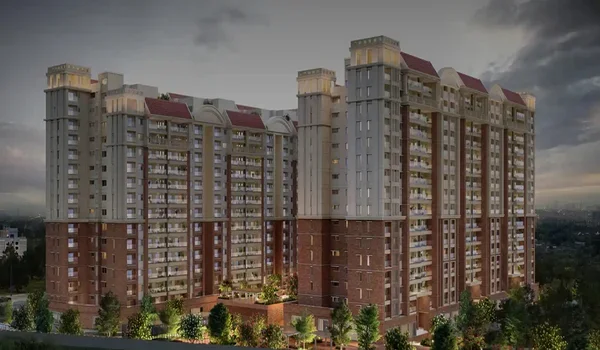
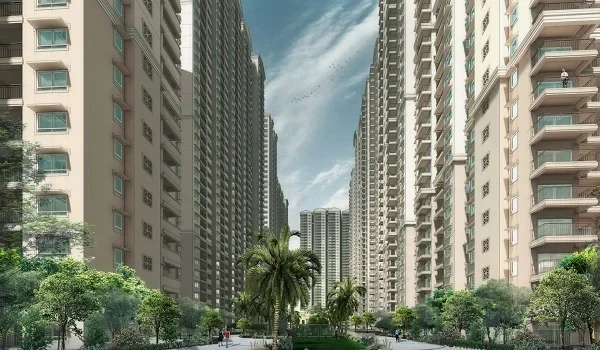
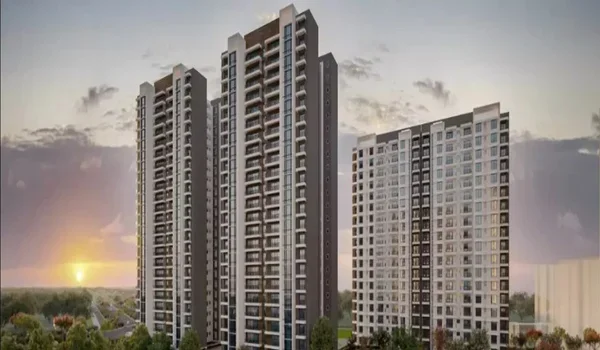
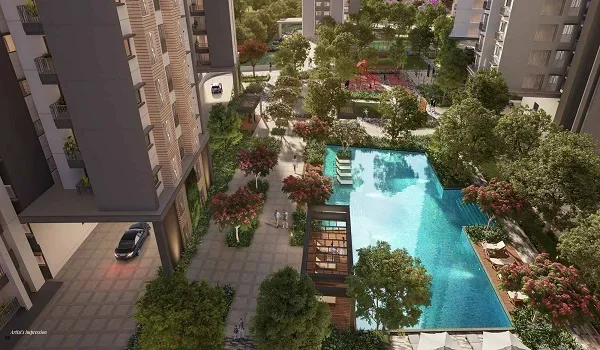
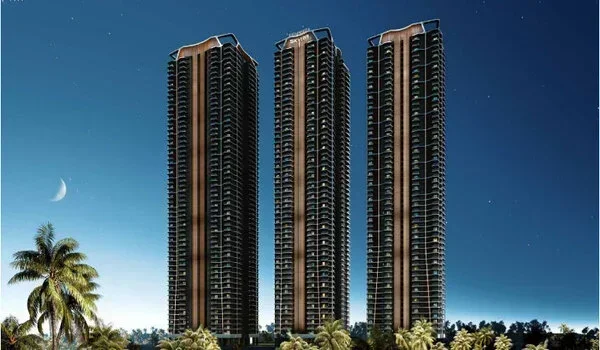
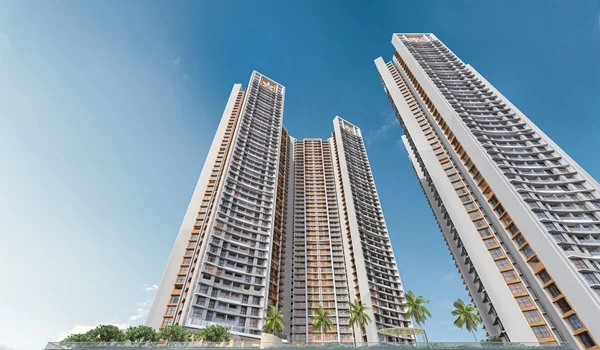
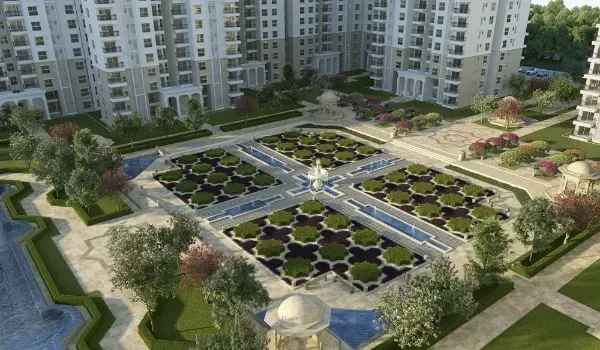
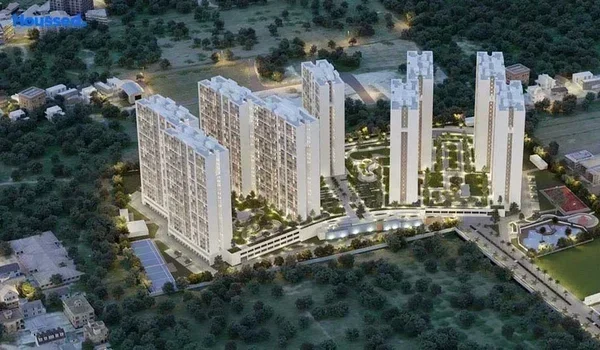
Prestige Garden Breeze is one such new residential project in Ittangur, near Yamare on Sarjapur Road. It forms Phase 7 of The Prestige City and covers 10 acres, with 655 homes in four towers. Prices start from ₹1.2 crore, and the stated possession target is December 2030. Buyers considering it for investment therefore need to assess a longer holding period before rental income can begin.

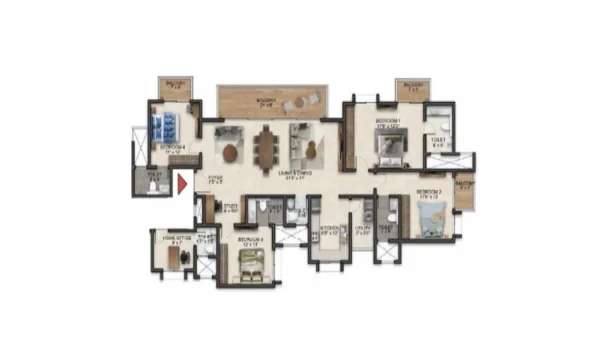
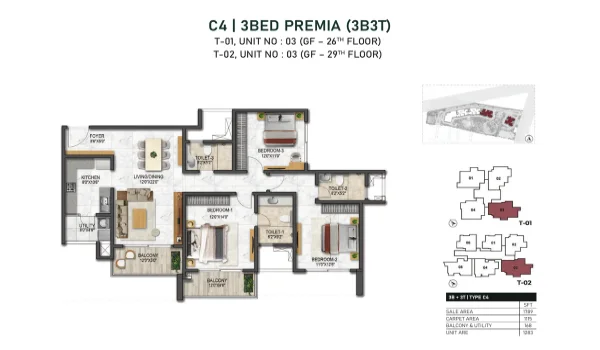
The project offers 2 BHK flats of 1,080–1,140 sq. ft., 3 BHK homes of 1,470–1,790 sq. ft. and 4 BHK penthouses of 2,779–3,069 sq. ft. Its rent after possession cannot be established from current rents in a different society. The final yield will depend on the all-in purchase cost and rent achieved at that time. Price appreciation will also depend on the resale market when the buyer chooses to exit.

FAQs


1. What is the rental yield in Ittangur?

There is no single yield for every property. A ₹60 lakh home earning ₹20,000 a month produces a 4% gross yield before costs.

2. Is rental yield better than price appreciation?

They serve different needs. Rent provides income during ownership, while appreciation can add a gain at sale. Both need to be assessed after costs.

3. What rent do local 2 BHK listings show?

Listings reviewed at Sowparnika Tharangini include asking rents of ₹18,000–₹20,000 a month. Maintenance terms vary, and these figures are not a locality-wide average.

4. Does a higher sale price always mean a better investment?

A higher price can reduce rental yield if rent does not rise with it. The purchase cost, income and likely resale demand should be compared together.

5. Can an under-construction apartment earn rental income?

Rental income starts after the home is ready, handed over and let to a tenant. The construction period should be included in the investment plan.

6. Is a tenant's security deposit part of the yield?

A refundable deposit is not rent. Yield should be based on rental income, with owner-paid costs deducted when calculating the net return.

Prestige Garden Breeze Blog


Enquiry
Enquire Now