NRI guide to buying property in Bangalore
Featured Image of NRI guide to buying property in Bangalore


NRI guide to buying property in Bangalore helps overseas Indians buy homes that bring 4% to 5% rent each year and grow 9% to 14% in value. Non-resident Indians (NRIs) and Overseas Citizens of India (OCIs) can buy as many flats, houses, or office units as they want without RBI permission. Under FEMA rules, you must pay in Indian Rupees through regular bank accounts.

Karnataka RERA protects your money by making builders keep 70% of buyer funds in a locked bank account. This money is spent only on your building work, preventing delays and diverted funds.

Under FEMA rules, NRIs cannot buy farmland, farm plots, or plantation land unless inherited from an Indian resident. For any flat, villa, or office, your buying process remains simple, safe, and direct.

Legal and Regulatory Framework for NRIs: FEMA, RBI, and Karnataka RERA Safeguards


The Foreign Exchange Management Act (FEMA) sets the buying rules for NRIs and OCIs, while Karnataka RERA protects your money against project delays. Foreign citizens who do not hold an OCI card cannot buy property in India without special RBI approval.

Under RERA rules, no builder can sell flats in a project larger than 500 square meters or eight homes without an official state registration number. You can verify builder details, land titles, and layout approvals on the K-RERA website from anywhere in the world.

Safety Rule What It Means for You How It Protects You
70% Escrow Account Builder keeps 70% of your money in a separate bank account Funds are spent only on building your specific project
K-RERA Registration Every project must have a state license number Ensures clean land titles and verified building plans
Late Delivery Fine Builder pays monthly interest if work finishes late Protects your money against long construction delays

The law forces builders to put 70% of all buyer payments into a separate bank account used only for building work. This single rule stops developers from moving your cash to other sites and keeps work on schedule. If a builder delivers late, RERA forces them to pay you monthly interest on your cash until you get the keys.

Banking Routes and Inward Remittance Channels: NRE vs. NRO Accounts


Every payment for your Bangalore home must move through official banking channels in Indian Rupees. You cannot use foreign cash, paper money, or cash sent from another person's overseas bank account.

  • Non-Resident External (NRE) Account: Use this account to send your overseas earnings to India. You can move both your original investment and all your profits back to your foreign bank at any time with no yearly cap.
  • Non-Resident Ordinary (NRO) Account: Use this account for money earned inside India, such as house rent, stock gains, or local pensions. You can send up to $1 million US dollars abroad from this account each financial year after filing tax forms 15CA and 15CB.
  • Home Loans for NRIs: Major Indian banks give home loans covering up to 75% to 80% of the property cost for up to 20 years. You must pay your monthly loan installments directly from your NRE or NRO account.

Title Verification and Remote Execution: Power of Attorney (POA) Guidelines


A Power of Attorney (POA) lets a trusted friend or family member in Bangalore complete the purchase and register the deed for you. This legal paper saves you the cost and time of flying down to the local registration office.

  • PAN Card: You need a PAN card for any property deal over Rs 50,000 and to open your Indian bank accounts.
  • Passport and Visa or OCI Card: Clear copies of these papers prove your identity and your right to buy property in India.
  • Overseas Address Proof: A recent foreign power bill, driving license, or overseas bank statement works as proof of where you live.
  • Power of Attorney Steps: Type the POA on plain or stamp paper, sign it in front of an officer at the Indian Embassy or Consulate in your country, and get it stamped. Mail it to Bangalore, where your representative must get it registered at the local registrar's office within 90 days.
  • Key Property Papers: Always ask the builder for the 30-year parent deed, the Encumbrance Certificate (EC Form 15), the approved building plan, and an 'A' Khata paper from the municipal office.

Project Evaluation: Prestige Garden Breeze at The Prestige City, Sarjapur


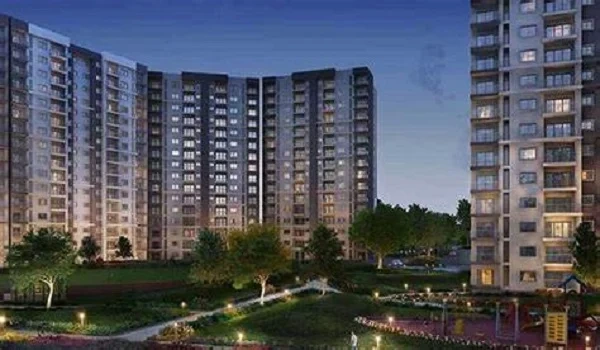
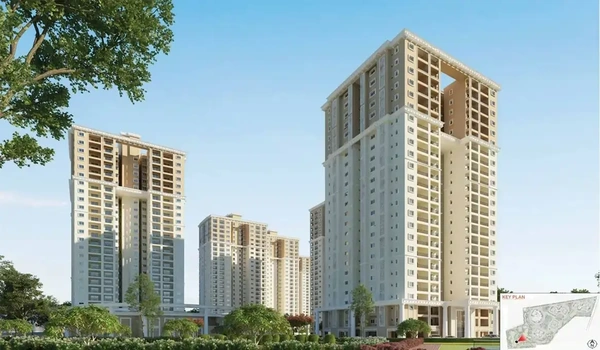
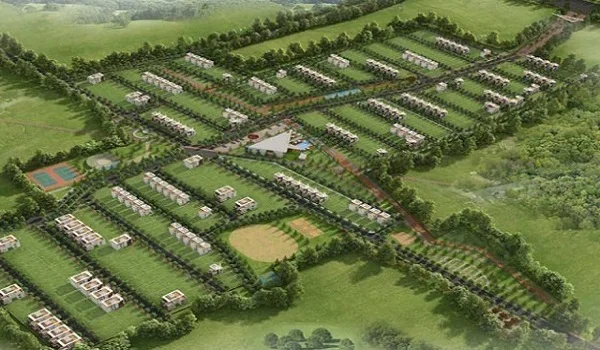
Prestige Garden Breeze is a new 10-acre luxury flat project on Sarjapur Main Road (SH-35) in East Bangalore, built as Phase 7 of the 180-acre township called The Prestige City. The project has an official Karnataka RERA number, PR/080926/008919, with an official start date of September 11, 2026, and a final handover date of December 30, 2030.

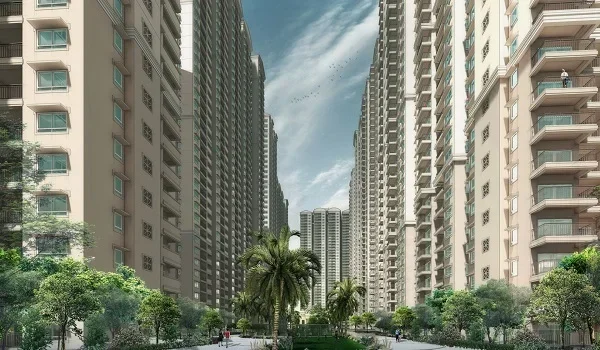
Official site details from prestigegardenbreeze.info show that the project holds 655 homes across four tall towers, with Tower 1 rising to ground plus 27 floors and Towers 2, 3, and 4 rising to ground plus 30 floors.

Project Detail Verified Fact
RERA Registration Number PR/080926/008919
Launch Date September 11, 2026
Possession Date December 30, 2030
Land Size and Towers 10 Acres, 4 High-Rise Towers, 655 Luxury Flats
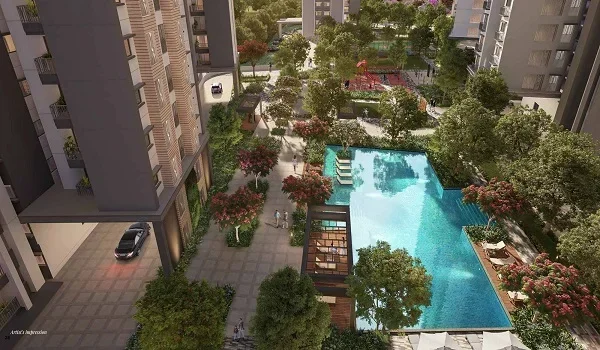
Open Green Space 80% Landscaped Area with G+2 Grand Clubhouse
Starting Price Rs 1.20 Crore (2 BHK) to Rs 3.93 Crore (4 BHK)
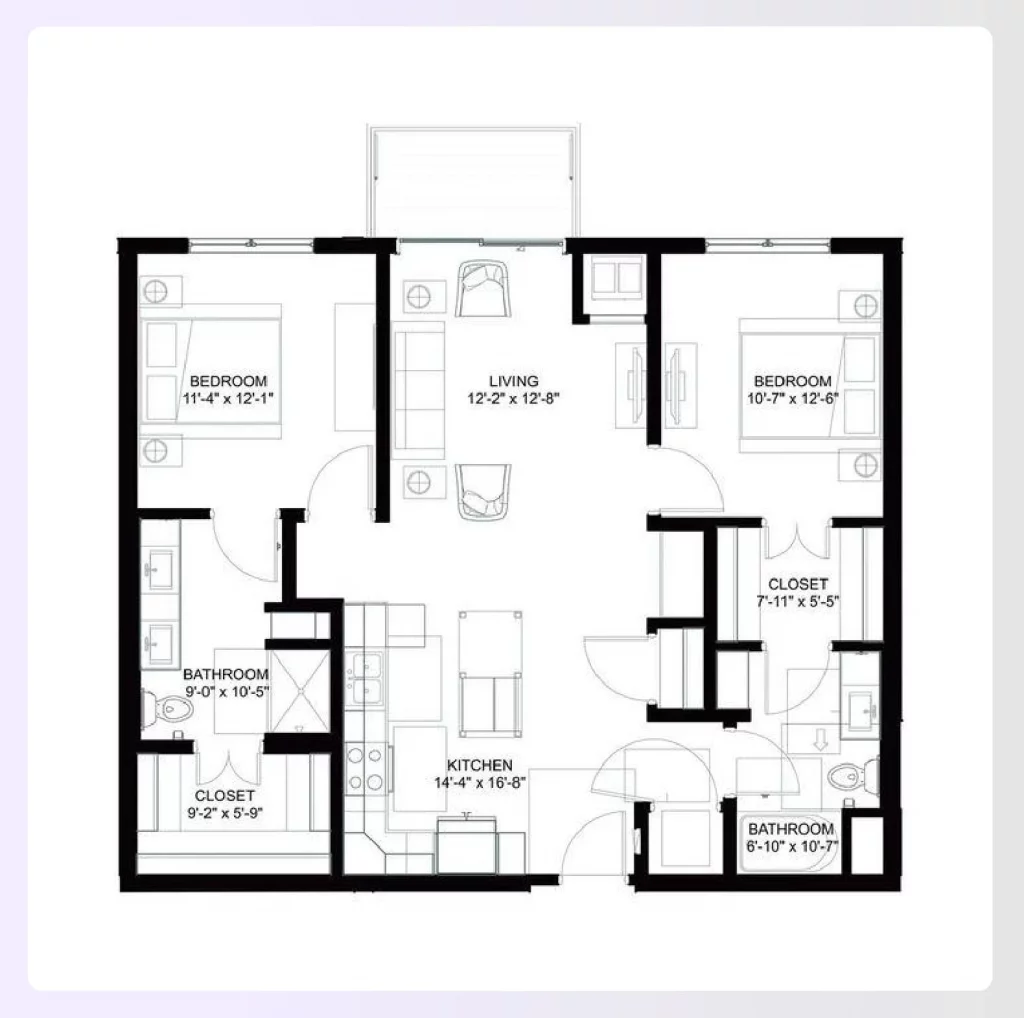
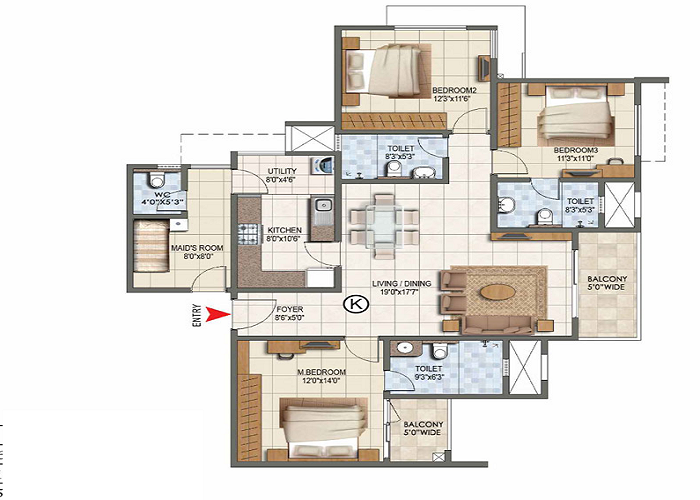
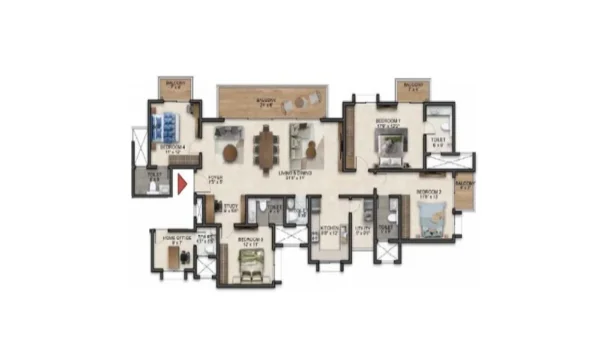
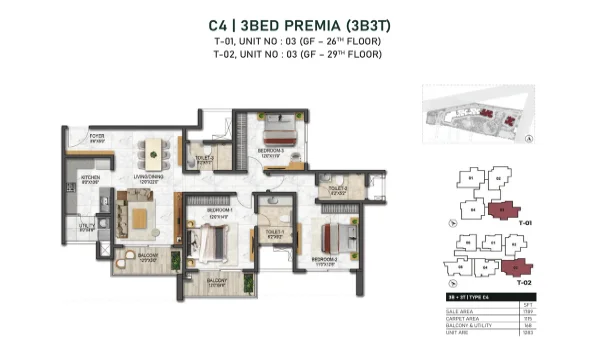
  • Flat Sizes and Types: Choose from 2, 3, and 4 BHK layouts ranging from 1,080 to 3,069 sq ft, including compact 2 BHKs, spacious 3 BHKs, and large penthouses.
  • Prices and Payment Steps: Prices start at Rs 1.2 crore for 2 BHKs, Rs 1.62 crore for 3 BHKs, and Rs 3.93 crore for 4 BHK penthouses, payable via a booking token, 10% on agreement, and 24 construction-linked installments.
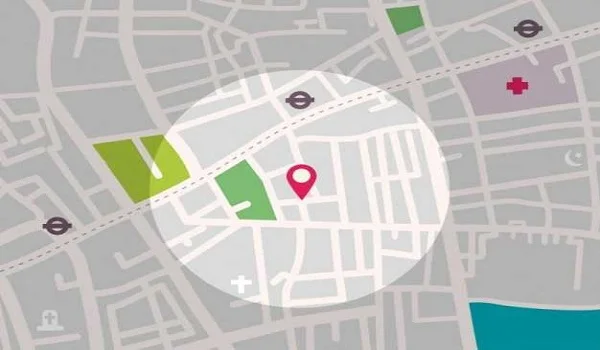
  • Location and Roads: Located in Ittangur near Yamare (pin code 562125), the site sits 11.4 km from RGA Tech Park, 10.7 km from Carmelaram Station, 50 km from the airport, and 4 km from upcoming metro stops.

For NRI buyers, this home gives solid brand backing from Prestige, full RERA escrow safety, and expected rental income starting at Rs 65,000 per month for a standard 3 BHK flat.

Tax Implications: TDS, Capital Gains, and Fund Repatriation


Selling or renting property in Bangalore brings standard Indian tax rules that every overseas investor must follow. When an Indian resident buys property from an NRI, the buyer must deduct tax at source (TDS) under Section 195 before sending the payment.

Rule or Tax Type Short-Term (Held for 2 Years or Less) Long-Term (Held for More Than 2 Years)
Profit Tax Rate Regular income tax slabs based on your earnings Flat 12.5% tax without inflation index benefits
Upfront TDS Rate 30% plus standard surcharge and cess 12.5% plus standard surcharge and cess
Ways to Save Tax No tax exemptions available Section 54 (buy another house) or Section 54EC bonds up to Rs 50 Lakhs
Sending Money Abroad Clear CA forms 15CA and 15CB after tax is paid Use the $1 million US dollar yearly NRO limit with forms 15CA and 15CB

High-Growth Micro-Markets for NRI Real Estate Allocation


Bangalore has distinct neighborhoods that fit different goals, whether you want monthly rent right away or big value jumps over the next decade. Matching your budget to the right road helps you find good tenants fast.

  • Sarjapur Road and Outer Ring Road: Packed with major tech parks, corporate offices, and upcoming metro tracks. High demand from IT workers keeps rental returns solid at over 4.5% each year.
  • Whitefield: Connected by the Purple Line metro with top international schools, big malls, and large gated communities. Homes here are easy to rent out and easy to resell when you want to exit.
  • North Bangalore (Hebbal to the Airport): Near the international airport and large aerospace business parks. This belt offers the highest long-term land value jumps over a 5 to 7-year stay.
  • Electronic City: Offers wide elevated roads and Yellow Line metro trains with lower entry prices. It is great for pocket-friendly flats that draw steady factory and software staff.

FAQs


1. Can an NRI buy farm land or plantation land in Bangalore?

No, FEMA law bans NRIs and OCIs from buying agricultural land, farmhouses, or plantations in India. You can only own this type of land if an Indian family member leaves it to you in a legal will.

2. Is a PAN card necessary for an NRI buying a flat in Karnataka?

Yes, you need a PAN card to sign the sale deed, pay stamp duty, take a home loan, and make booking payments over Rs 50,000.

3. Can an NRI send rental income from Bangalore to their overseas bank?

Yes, rent paid into your NRO account can be sent to your foreign bank up to $1 million US dollars per financial year after paying Indian income tax and filing forms 15CA and 15CB.

4. Do I have to travel to Bangalore to register the property?

No, you do not need to travel if you sign a Special Power of Attorney at the Indian Embassy in your country to let a family member or friend register the flat for you.

5. What are the main papers to check before buying an under-construction flat?

Always check the official K-RERA number, a clean 30-year title deed, the approved building plan from the BBMP or BDA, and an up-to-date Encumbrance Certificate.

Enquiry
Enquire Now